Understanding Modern Media: From Print to Digital and Beyond

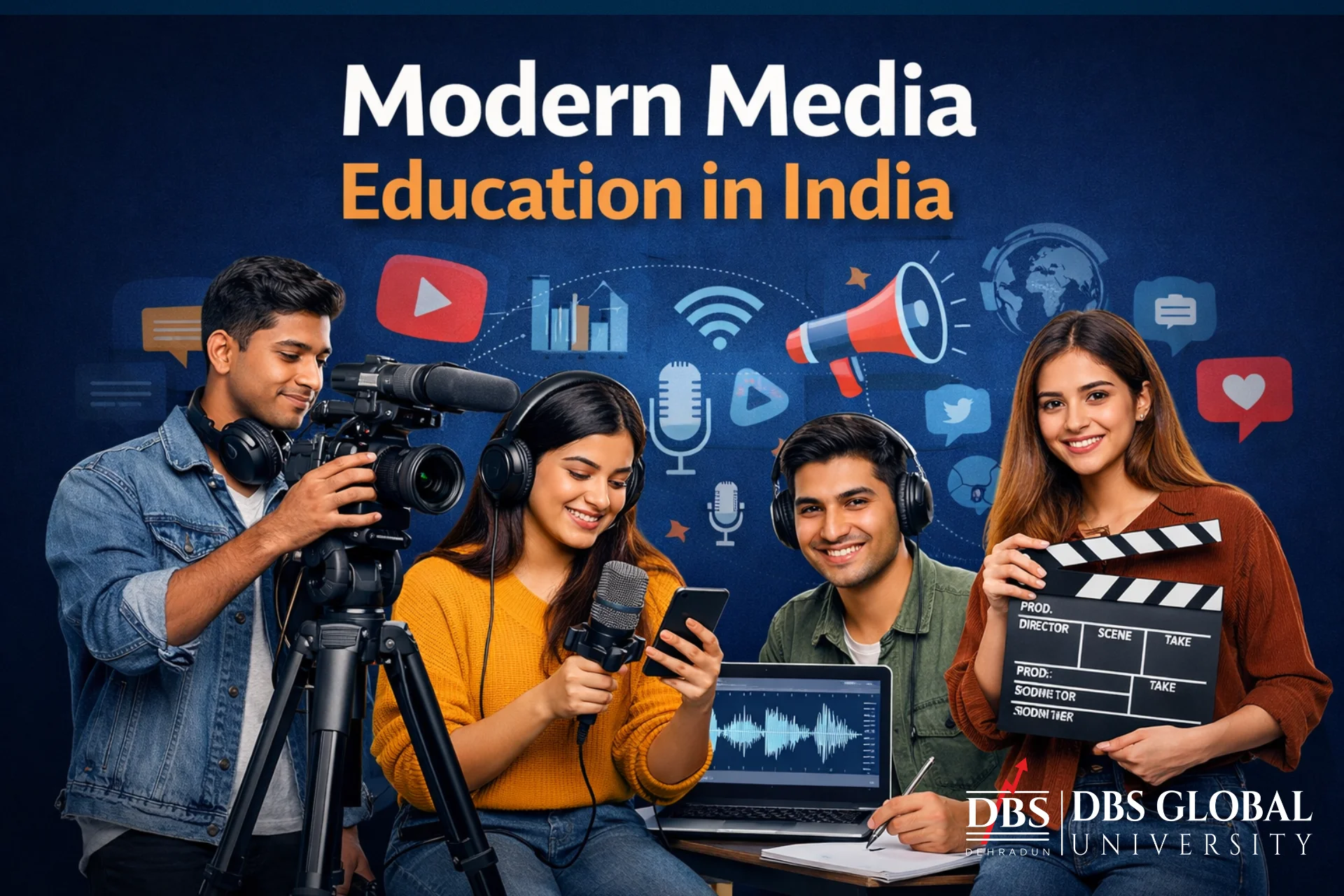
Media today shapes how we think, connect, and tell stories. It influences culture, business, politics, and everyday choices. At DBS Global University, this reality drives the way media education is designed and delivered. The university believes that learning media cannot be limited to classrooms or textbooks. It has to reflect how the industry actually works. Through its School of Modern Media, DBS Global University blends creativity with technology and real-world exposure. Students are encouraged to experiment, question, and create from the very start. The focus stays firmly on skills, practice, and relevance. This approach helps learners grow into confident media professionals who understand both storytelling and strategy.
The School of Modern Media at DBS Global University was created to respond to the way media has evolved today. It is built for a world where communication is digital, fast-moving, and deeply connected to technology. The school focuses on industry-aligned education that reflects real media practices rather than outdated models. Students learn how stories are created, distributed, and consumed across platforms. Equal importance is given to creativity, clear communication, and technical skills. From content creation to strategic thinking, the curriculum mirrors how the media industry actually functions. The goal is simple. To prepare students to step into modern media roles with confidence, clarity, and practical experience.
- The School of Modern Media offers programs for both undergraduate and postgraduate students
- Undergraduate courses focus on media, film, television, and digital communication
- Postgraduate programs are designed around advanced media studies, communication, and creative leadership
- Each program balances core concepts with regular practical work
- Curriculum is aligned with current industry trends and media practices
- Emphasis on skill development alongside academic learning
- Programs prepare students for real-world roles in the media and communication industry
What are the four types of media?
Print Media
This is the oldest form of media. It includes newspapers, magazines, books, brochures, and journals. Print media focuses on written content and visuals, and it is still valued for credibility, depth, and detailed storytelling.
- Newspapers for daily news and updates
- Magazines focused on specific interests like fashion, business, or lifestyle
- Books and textbooks for detailed knowledge and long-form content
- Journals and research papers for academic and professional audiences
- Brochures, flyers, and pamphlets are mainly used for promotions and awareness
Broadcast Media
Broadcast media deliver content to a large audience at the same time. Television and radio fall under this category. It relies on audio, video, or both, and is widely used for news, entertainment, advertisements, and live events.
- Television, including news channels, entertainment channels, and educational programs
- Radio, such as FM radio, AM radio, and community radio
- Live broadcasts covering sports, events, and public announcements
Digital Media
Digital media exists on the internet and on electronic devices. Websites, social media platforms, podcasts, blogs, streaming services, and mobile apps are all part of this type. It is interactive, fast, and constantly evolving, making it the core of modern media today.
- Websites and blogs for information, articles, and storytelling
- Social media platforms like Instagram, YouTube, X, and Facebook
- Streaming platforms for movies, series, and music
- Podcasts focused on audio-based content
- Mobile apps designed for content, services, and engagement
- Email media, such as newsletters and digital campaigns
Outdoor Media
Outdoor media includes advertisements and messages placed in public spaces. Billboards, hoardings, posters, transit ads, and digital screens you see on roads or in malls come under this category. Its strength lies in visibility and repeated exposure.
Together, these four types of media shape how we consume information and how brands, creators, and institutions communicate with the world.
- Billboards and hoardings are placed on highways and busy roads
- Posters and wall displays in public spaces
- Transit media, including ads on buses, trains, metros, and airports
- Digital outdoor screens are seen in malls, stations, and city centres
Traditional media VS Modern media
Traditional media focuses on broadcasting information. Modern media focuses on conversation and engagement. Traditional media reaches people at fixed times. Modern media reaches people anytime, anywhere. Traditional media builds authority. Modern media builds connections.
Traditional Media
Traditional media refers to older forms of mass communication that existed before the internet became mainstream. Information flows mostly in one direction, from the creator to the audience.
Examples
Newspapers, magazines, radio, television, printed advertisements, and billboards.
How it will evolve
Traditional media is not disappearing. It is becoming more refined and niche-based. Print is focusing more on credibility and long-form journalism. Television and radio are blending with digital platforms. The future of traditional media lies in quality storytelling, trusted reporting, and premium content rather than mass reach.
Modern Media
What it is
Modern media is driven by digital technology and the internet. It allows instant, interactive, and personalised communication. Audiences are not just consumers anymore. They are creators too.
Examples
Social media platforms, websites, blogs, podcasts, streaming services, mobile apps, online news portals, and digital advertising.
Careers students can build
Students can become digital content creators, social media managers, digital marketers, video editors, podcasters, UX writers, media strategists, data analysts, and online journalists.
How it will evolve
Modern media will keep growing with new technologies like AI, immersive media, virtual reality, and personalised content experiences. Content will become more interactive, more visual, and more audience-driven. Careers will be more flexible, global, and skill-based rather than role-based.
Why Modern Media Is the Future of the World
The future belongs to modern media because it matches how people live today. We consume content on phones, interact in real time, and expect personalised experiences. Businesses, governments, educators, and creators all rely on digital platforms to connect with people.
For students, this means more opportunities, more creative freedom, and careers that did not exist a decade ago. Those who understand modern media are not just job-ready. They are future-ready.
This shift is not about replacing traditional media. It is about media evolution. And modern media is leading that change.
How DBS Global University Is Preparing Students for Modern Media
At DBS Global University, the Doon School of Modern Media is helping students build real skills for today’s media world. The programs are designed to match what the industry needs right now and where it is heading next.
Here are the key programs offered:
1. BA Film and Television
This program teaches filmmaking, production, direction, and storytelling for visual media. Students work hands-on with cameras, editing tools, and real projects so they graduate ready to create films, shows, and content that audiences love.
2. BA Digital Media and Mass Communication
This course focuses on digital content creation, journalism, branding, advertising, and modern communication. Students learn how to tell stories that work on social media, websites, and other digital platforms.
3. MA Mass Communication
A more advanced program, this one goes deeper into media theory, research, and professional communication skills. It’s perfect for students who want to understand the why behind media trends or go into research and leadership roles.
4. MBA Media and Creative Communication
This blends media knowledge with management, strategy, branding, and leadership skills. Graduates go on to senior creative roles, manage teams, and lead media projects with confidence.
Preparing for an Evolving Media World
Modern media changes fast. New tools and formats appear every year. Students today need more than just theory. They need real experience, adaptability, and a mindset for growth. That’s exactly what DBS Global University focuses on.
Here’s how the university sets students up for success, with clear examples of how learning actually happens:
- Practical Learning
Students work on real projects that help them build strong portfolios. In the BA Digital Media and Mass Communication program, each academic year ends with a capstone project where students design and execute media campaigns for real brands or social causes. By the time they graduate, they already have work they can confidently showcase. - Industry Exposure
The Doon School of Modern Media collaborates with professional studios and industry experts. Students get opportunities to engage with real film and television production environments, understand industry workflows, and learn how creative teams operate under real deadlines. - Future Ready Skills
The curriculum includes hands-on training with industry-relevant tools. Students learn digital design platforms, content planning tools, advertising dashboards, and analytics software. This ensures they graduate with skills that align with what media companies and agencies are actively hiring for. - Global Perspective
Through international exposure programs, students get opportunities to experience media education beyond local boundaries. This helps them understand global storytelling styles, diverse audiences, and international media standards, preparing them for careers that go beyond one market.
Facts About Media Growth and Future Opportunities
Media isn’t just changing. It’s growing fast. Recent trends show:
- Digital content consumption continues to rise, especially on mobile platforms. People spend hours watching videos, reading articles, and interacting with creators online.
• Brands are shifting budgets to digital media, meaning more jobs in content creation, strategy, and analytics.
• Video and interactive media are becoming mainstream, creating demand for filmmakers, editors, and visual storytellers.
• Data and audience insight skills are increasingly valuable, making media careers more analytical and strategic.
With all of this, students who understand modern media don’t just find jobs. They shape how audiences communicate, learn, and connect.
Career Opportunities
- Creative Director – Leading the creative vision for campaigns, films, or media projects.
- Corporate Communication Head – Managing internal and external communication strategies for large organisations.
- Brand Manager – Strategising brand identity, communication, and marketing for companies or products.
- Media Strategist – Planning multi-platform media campaigns, audience engagement, and content distribution.
- Content Writer / Copywriter – Creating written content for brands, blogs, and social media campaigns.
- Video Editor – Editing films, web series, or digital content with professional tools.
- Social Media Manager – Managing campaigns, engagement, and content strategy on platforms like Instagram, YouTube, or X.
- Public Relations Executive – Handling communications, media relations, and press releases for organisations.
- Digital Marketing Executive – Planning and executing online marketing campaigns, SEO, and analytics.
- Broadcast Journalist / Reporter – Covering news, events, or entertainment stories for TV, radio, or digital outlets.
- Production Coordinator – Managing schedules, resources, and logistics for film, TV, or digital projects.
Conclusion
Media is no longer just about sharing information; it shapes the way we live, connect, and create. From print and broadcast to digital and interactive platforms, the media landscape is evolving faster than ever. Modern media offers endless opportunities for creativity, strategy, and global engagement, but succeeding in it requires more than just knowledge. It demands hands-on experience, adaptability, and the ability to think like both a storyteller and a strategist.
At DBS Global University, the Doon School of Modern Media prepares students to meet this challenge head-on. Through practical projects, industry exposure, cutting-edge tools, and international perspectives, students graduate not just with degrees, but with the skills, confidence, and vision to shape the future of media. Whether aspiring to be a filmmaker, digital marketer, journalist, or media strategist, DBS equips learners to turn their passion into a meaningful career in a rapidly changing world.
For students ready to step into the future of media, the journey begins here, where creativity meets technology, and learning meets real-world impact.
FAQ – Frequently Asked Questions on Modern Media Courses:
1. What is modern media education?
Modern media education focuses on digital-first communication, storytelling, and technology-driven platforms such as social media, streaming, online journalism, podcasts, and interactive content. It combines creativity with practical skills and industry tools.
2. What are the main types of media today?
The four main types of media are Print Media, Broadcast Media, Digital Media, and Outdoor Media. Together, they shape how information, entertainment, and communication reach audiences across platforms.
3. How is traditional media different from modern media?
Traditional media relies on one-way communication like newspapers, radio, and television. Modern media is interactive, real-time, and digital, allowing audiences to participate, create, and engage directly with content.
4. What career opportunities are available in modern media?
Careers in modern media include digital content creator, social media manager, video editor, digital marketer, media strategist, journalist, brand manager, public relations executive, and creative director, among others.
5. Which is the best university for modern media courses in India?
DBS Global University (DGU) is a popular university for modern media courses. Through its Doon School of Modern Media, DGU offers industry-aligned programs with strong practical learning, industry exposure, and future-ready skills.
6. How does DBS Global University prepare students for modern media careers?
DBS Global University prepares students through hands-on projects, industry collaborations, training on modern media tools, global exposure programs, and curricula aligned with current media industry trends.